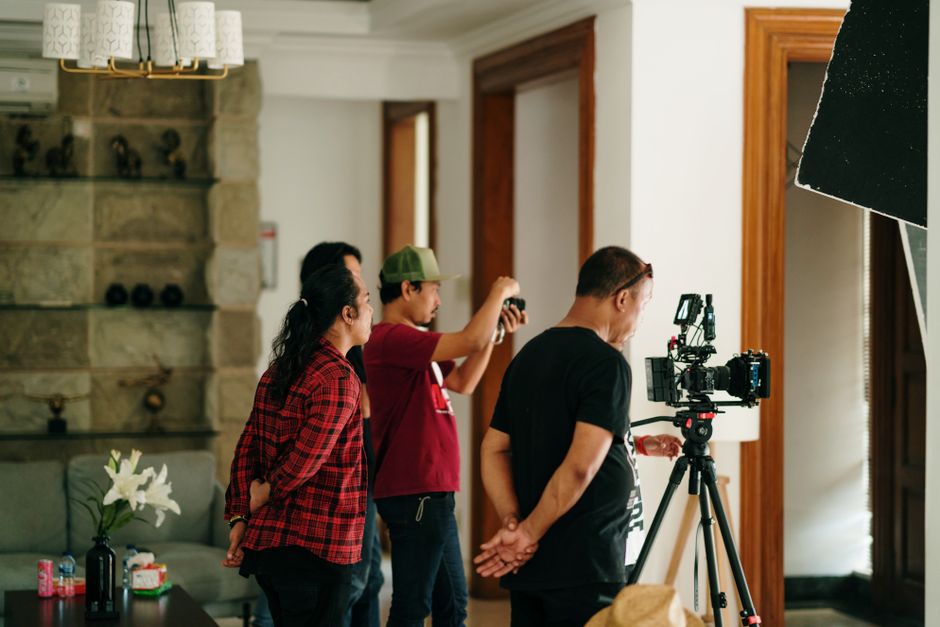
Generative video has shifted from curiosity to genuine production option. Higgsfield AI sits squarely in that shift, offering a browser-based route to images and video that would once have required a location, a crew and a camera package. For marketing teams and small businesses, the appeal is easy to understand: more assets, quicker turnaround and fewer production barriers standing between an idea and something you can publish.
This guide explains what Higgsfield actually is, where it fits sensibly into a marketing plan, how to build a workflow around it, and where human craft still does the heavy lifting.
What Higgsfield actually is
Higgsfield AI is a multimodal generative video company. It describes itself as building a browser-based “video reasoning engine” for the attention economy. In practical terms, that means you work inside a web browser rather than installing software, and you generate assets from text prompts, reference images or product pages.
One useful detail for marketers is that Higgsfield brings several leading generative engines together in one place, including Kling 3.0, Veo 3.1 and Seedance 2.5. Rather than learning each model separately and juggling multiple accounts, a marketer can compare outputs and select whichever engine best suits the brief in front of them.
The platform also includes Higgsfield Cinema Studio, an AI filmmaking environment designed to help creators produce cinematic, film-quality shots in minutes. That framing matters, because the tool is not just a clip generator. It is pitched at people who want footage that looks considered rather than accidental.
Three marketing jobs Higgsfield handles well
Most marketing use of the platform falls into three buckets. Published Higgsfield tutorials tend to follow the same structure, walking through a cinematic video, a product advertisement and product photography, which is a fair reflection of where the tool earns its keep.
Cinematic brand and campaign video
A brand film used to mean a shoot day, a storyboard, a location recce and a post-production schedule. With Higgsfield, the starting point can be a written concept and a handful of reference images. You can generate shots, review them quickly, and iterate on tone before committing money to anything.
That early iteration is where the value sits. Testing three visual directions in an afternoon is far cheaper than testing three on set. Once a direction is agreed, a fuller production can follow, or the generated footage can stand on its own for social and web use.
Product advertising
Higgsfield can work from product pages as well as prompts, which makes it useful for advertisers who need multiple creative routes for the same item. A single product can be placed in different environments, moods and light conditions without shipping samples to a studio.
For seasonal campaigns and paid social testing, this is genuinely useful. You can produce several variants of a concept and let performance data decide which direction deserves more budget.
Product photography and packshots
Clean product imagery is one of the most requested and most tedious marketing assets to keep refreshed. Higgsfield’s image generation can produce product visuals from prompts and references, which helps when you need supplementary shots for a landing page, a marketplace listing or an email.
Treat these as supporting assets rather than automatic replacements for a proper product shoot. Where accuracy matters, such as exact colour, texture or label detail, a photographer still earns their fee.

How to build a Higgsfield workflow that holds up
Tools do not create consistency on their own. A repeatable process does. This sequence works for most marketing teams starting out.
- Define the objective and the channel first. A fifteen-second vertical clip for social is a different brief from a hero video for a homepage.
- Choose the right engine for the job. Compare short tests across the available models rather than defaulting to whichever you used last time.
- Gather references before you write prompts. Reference images and product pages give the model far more to work with than adjectives alone.
- Generate a batch, not a single output. Variation is cheap, and the strongest result is rarely the first one.
- Review every asset against brand guidelines, factual accuracy and tone. Generative output can look convincing while being subtly wrong.
- Finish in conventional editing software. Sound design, captions, colour consistency and pacing still need a human hand.
- Publish with tracking in place so you can judge performance rather than vibes.
Prompting that produces usable marketing assets
Prompt quality determines output quality. Vague prompts produce attractive footage that has nothing to do with your brand. Be specific about the subject, the framing, the lighting, the lens character, the movement and the aspect ratio you need.
- Reuse the same reference images across a campaign to keep product and styling consistent.
- Describe camera behaviour explicitly, such as a slow push in or a locked-off wide shot.
- State the pacing and duration you need so the output fits the edit rather than fighting it.
- Generate in the correct format for each channel from the outset.
- Keep a prompt library of results you liked, with notes on why they worked.
That last point compounds over time. Teams that document their prompts build an internal shorthand that new starters can use, and campaigns stop looking like they were made by five different people.
What Higgsfield will not do for you
Generative tools accelerate execution. They do not supply judgement. Higgsfield cannot tell you which audience to target, what your brand sounds like, which claim is defensible, or whether a concept is any good in the first place.
Strategy, positioning and message hierarchy remain human work. So does quality control. Any generated asset that names a product, implies a price, or makes a claim needs checking before it goes live. The speed of generation is exactly why verification cannot be skipped.

Where a creative agency fits alongside the tool
Addio is a full-service creative agency based in Chester, working with local businesses and organisations across the North West on branding, graphic design, print, web development, SEO, marketing, photography and video production. That breadth matters here, because AI video works best as one component of a wider campaign rather than a standalone tactic.
An agency role is not to gatekeep access to the software. It is to set the strategic direction, write briefs that generate well, direct the visual language, and integrate the output with everything else, from the website to the printed brochure and the paid social schedule. For many businesses, that combination of tooling and creative judgement is where the return sits.
Questions worth answering before you commit
Higgsfield’s current pricing structure, free access arrangements and subscription cancellation terms are not fixed facts that can be quoted reliably here. Plans change, and generative platforms in particular revise their tiers often. Check the official Higgsfield website and its terms of service directly before you budget or brief anyone on cost. The same applies to licensing: confirm how generated assets may be used commercially, especially for paid advertising, before you build a campaign around them.
Ask three practical questions internally as well. Who owns the brand’s visual direction? Who signs off generated assets before publication? Where will the files live so they can be reused? Answering those up front prevents a lot of duplicated work later.
Measuring whether it is working
Judge AI-assisted marketing on the same terms as any other activity. Are assets being produced faster? Are more creative variants being tested? Is engagement, click-through or conversion improving? Has production cost per asset fallen without a drop in quality?
A simple before-and-after comparison across a quarter is usually enough to see whether the tool is genuinely helping or just adding another tab to someone’s browser. Track output volume, time to publish and performance by variant. If those numbers do not move, the novelty is doing the work, not the tool.
Frequently Asked Questions
Is Higgsfield suitable for small business marketing?
Yes, with sensible expectations. Because it runs in a browser and generates from text prompts, reference images and product pages, it lowers the barrier to producing video and product visuals. A small team can create social clips, advertising variants and supporting product imagery without booking a studio. Consistent branding and a clear objective still matter more than the tool itself.
Do I need video production experience to use Higgsfield?
Not necessarily. Beginner tutorials focus on tool selection, prompting and turning images into cinematic sequences. Some understanding of framing, lighting and editing helps enormously, though. People who already know why a shot works tend to get better results faster, because they can describe what they want and recognise when an output is nearly right.
Can Higgsfield replace a photographer or videographer?
It can reduce the number of shoots a business needs, particularly for supplementary content and creative testing. It is less convincing where accuracy is critical, such as exact product colour, texture or packaging detail. Most sensible setups blend both: generated assets for volume and speed, real photography and filming where authenticity and precision carry commercial weight.
How much does Higgsfield cost?
Pricing is not fixed here, and generative platforms revise plans frequently. Rather than rely on second-hand figures, check the official Higgsfield website for the current tiers, any free access arrangement, and cancellation terms. Confirm the commercial licensing position for generated assets at the same time, since that affects how you can use the output in paid campaigns.
Should an agency handle Higgsfield for us?
It depends on your internal capacity. If you have someone who understands brand direction and can review output properly, running the tool in-house is realistic. If not, an agency can set the creative direction, write stronger briefs and integrate the results with your wider marketing. The software is the easy part. Judgement is what shapes results.
Higgsfield is worth exploring for any marketing team that needs more video and product imagery than its current production budget allows. Start with a narrow brief, test a few engines, keep a record of what works, and hold every asset to the same standard you would apply to a professional shoot. Used that way, generative video becomes a practical part of the marketing mix rather than an experiment that never quite leaves the sandbox.